
12 design tweaks to instantly upgrade your website’s look and performance
Your website can either win or lose a visitor in seconds. Slow loading, clunky design, or confusing calls to action quietly drive potential customers away—and your competitors pick up the slack. With 12 simple design tweaks, you’ll sharpen your site’s look and boost performance, improving Core Web Vitals and conversions without a full rebuild. Ready to see how these changes can make your website work harder? Let’s get started. For more insights, check out these modern web design hacks.
Quick Design Enhancements
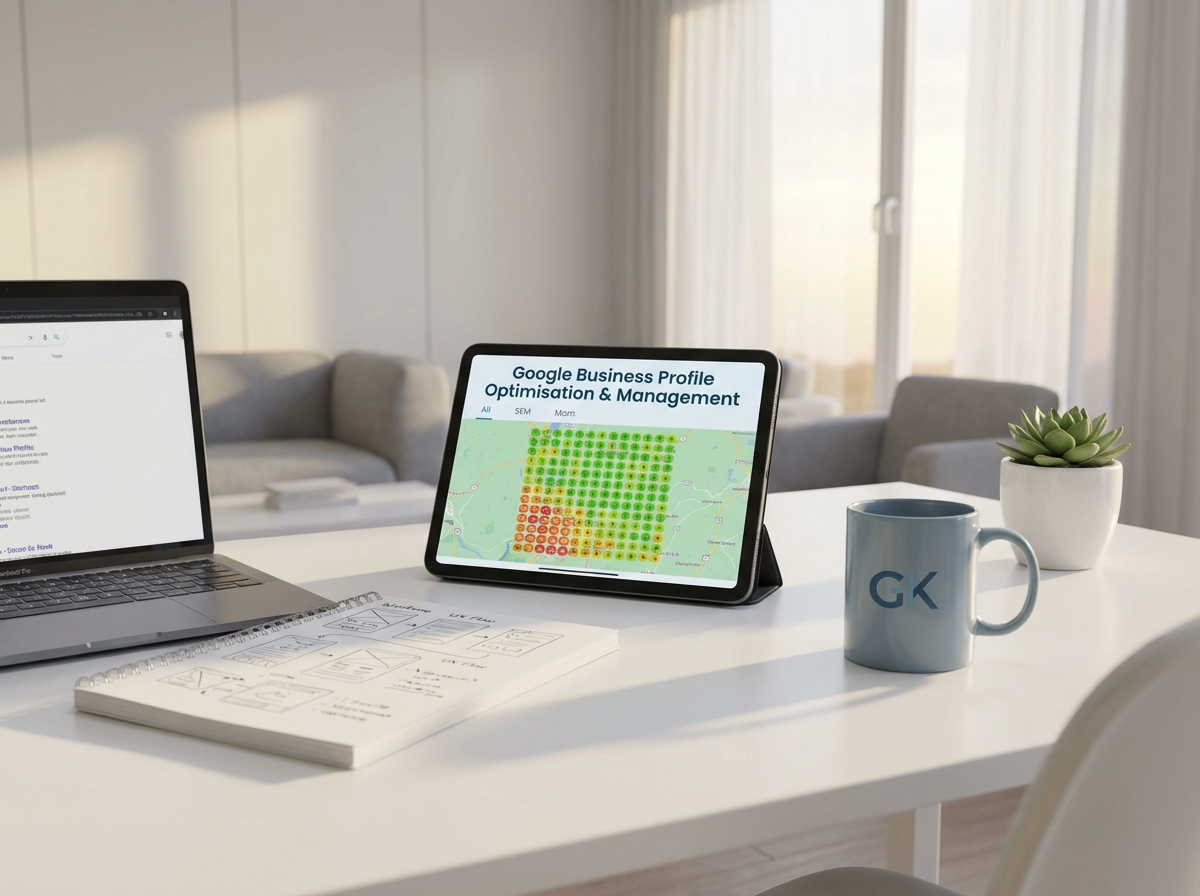
You’re set to transform your website into a conversion machine. By honing in on specific elements, you can make a big impact with minimal effort. Let’s explore some quick design enhancements that will elevate your site right away.
Boost Core Web Vitals
Start with the basics: improving your Core Web Vitals is essential. These metrics—Largest Contentful Paint (LCP), First Input Delay (FID), and Cumulative Layout Shift (CLS)—gauge how user-friendly your site is. To improve LCP, ensure your site loads key elements within 2.5 seconds. Consider compressing images and using a content delivery network (CDN) to speed up delivery. FID measures interactivity, so keep scripts to a minimum. For CLS, stabilise elements by defining their size in the CSS. You can dive deeper into these metrics by referring to Google’s guidelines.
Improve Page Speed
A sluggish site frustrates visitors, leading to a higher bounce rate. It’s crucial to keep your site speedy. Begin with image compression; high-quality visuals are great, but they shouldn’t slow you down. Use formats like WebP for optimal loading. Implement lazy loading to ensure images load only when visible on the screen. Also, consider reducing redirects and leverage browser caching. For an in-depth guide on improving speed, check out this article.
Visual and Functional Tweaks

Now that performance is on point, let’s ensure your website looks top-notch and functions seamlessly. A visually appealing site isn’t just pretty; it’s more effective.
Enhance Mobile-First Design
In today’s digital age, more visitors will view your site on mobile devices than ever before. Adopting a mobile-first design is not optional—it’s essential. Ensure your site’s design is responsive. Use a flexible grid layout, and test your site on various devices to guarantee it looks great everywhere. Keep navigation simple and intuitive to prevent user frustration. Remember, every second counts, and a smooth mobile experience boosts your conversion rate. For more on mobile-specific strategies, see this handy guide.
Streamline UX Design
A streamlined UX design is key to retaining visitors. By focusing on user behaviour, you can create a more intuitive site. Start by removing unnecessary elements that clutter your pages, which can distract visitors from your main messages. A clear call-to-action (CTA) is vital—make it prominent and easy to understand. Use contrasting colours to make buttons stand out. Ensure your text is readable, and avoid large blocks of text to keep users engaged. For more tips, explore these web design ideas.
Technical Improvements
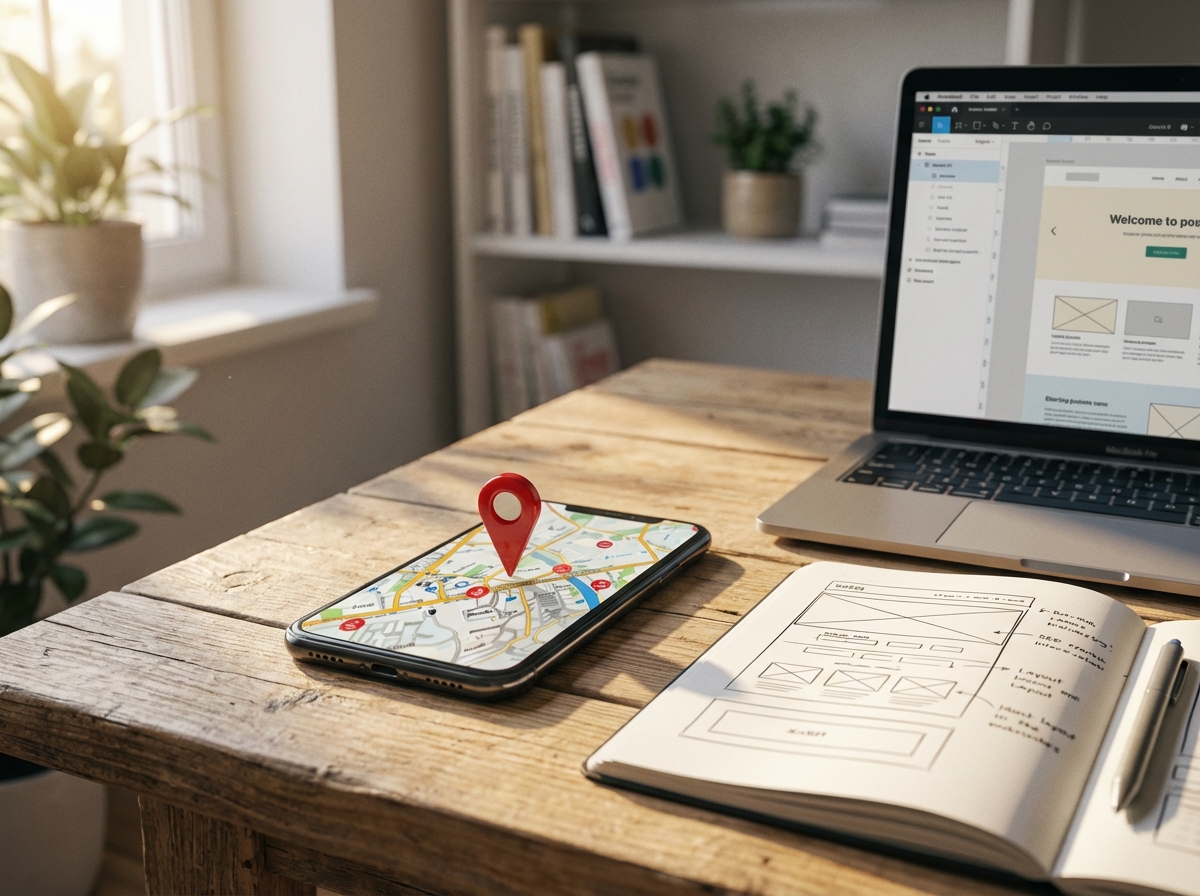
With the visual and functional elements refined, it’s time to delve into the technical side. These improvements will further enhance your site’s effectiveness.
Refine Site Architecture
A well-organised site architecture is like a roadmap for both users and search engines. Structure your site logically with a clear hierarchy, starting from your homepage. Use categories and subcategories to help users and search engines navigate easily. Implement breadcrumbs to show users their location on your site. This clarity not only helps users but also boosts your SEO ranking. For a deeper dive into site architecture, check out these expert tips on organisation.
Implement Internal Linking Strategy
An internal linking strategy is critical for both user experience and SEO. Link related content to keep users engaged and encourage them to explore more of your site. Use keyword-rich anchor text to signal to search engines what each page is about. This strategy can increase the time spent on your site and improve your search visibility. Always ensure that links are relevant and add value to the reader’s journey. For more on internal linking, consider this comprehensive guide.
By implementing these tweaks, you’ll not only enhance your website’s look but also its functionality and performance. While it might seem daunting, each step brings you closer to a site that attracts and retains more customers, ultimately driving growth for your business. Keep refining, testing, and optimising—your dream website is within reach!